




HVAC Maintenance in New Smyrna Beach: How Florida Weather Shortens System Lifespan
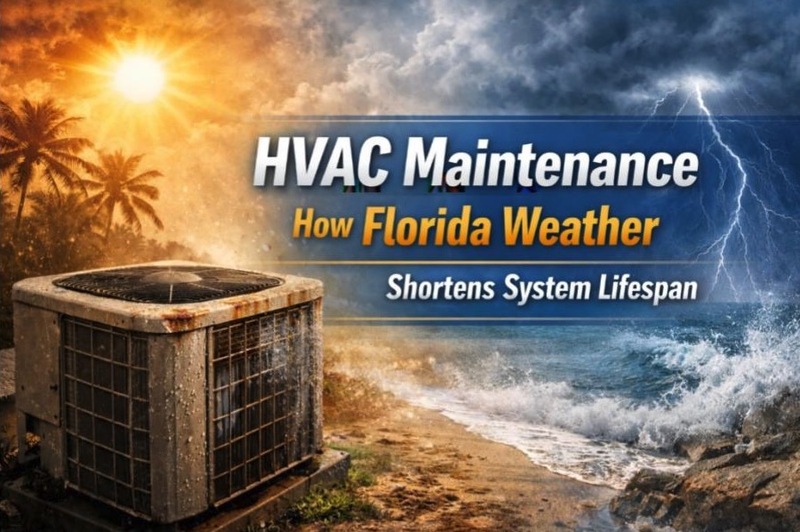
HVAC systems in New Smyrna Beach rarely get a break. Between long stretches of heat, constant humidity, and salt air from the coast, air conditioning systems in this area work harder than homeowners often realize. Without consistent HVAC maintenance in New Smyrna Beach, systems tend to wear out faster and fail earlier than expected. Understanding how Florida weather impacts HVAC lifespan helps homeowners avoid expensive repairs, surprise breakdowns, and premature system replacement.
Why Florida Weather Is Tough on HVAC Systems
New Smyrna Beach homes experience a climate where air conditioning is not just seasonal. Cooling systems run most days of the year, especially in beachside and coastal areas. Unlike cooler regions where HVAC systems sit idle for months, systems here operate under near constant demand. This leads to increased mechanical wear, higher electrical stress, faster component fatigue, and very little recovery time between cycles. Over time, small inefficiencies snowball into major performance problems.
How Humidity and Salt Air Accelerate Wear
Humidity Forces Longer Run Cycles
High humidity is one of the biggest factors shortening HVAC lifespan in New Smyrna Beach. Air conditioners must remove moisture as well as heat, and when humidity stays elevated day and night, systems are forced into longer run cycles. Extended run times place extra strain on compressors, blower motors, electrical components, and drainage systems. Moisture buildup also increases the risk of corrosion and airflow restrictions inside the system.
Salt Air Speeds Up Corrosion
Coastal New Smyrna Beach homes are exposed to salt in the air, even several miles inland. Salt accelerates corrosion on outdoor condenser coils and metal components. Corroded coils lose efficiency, forcing systems to work harder and consume more energy. Without routine HVAC maintenance in New Smyrna Beach, corrosion often goes unnoticed until cooling performance drops or parts fail.
What Happens When HVAC Maintenance Is Skipped
Skipping maintenance rarely causes immediate failure, but damage accumulates over time. Common consequences include reduced cooling output, uneven temperatures throughout the home, rising energy bills, frequent breakdowns, and a shortened system lifespan. Industry data shows HVAC systems that receive regular maintenance can last 30 to 50 percent longer than neglected systems. In Florida, that difference often determines whether a system lasts closer to ten years or fifteen.
How Often HVAC Systems Should Be Serviced in New Smyrna Beach
While many manufacturers recommend annual service, Florida’s coastal climate calls for more frequent inspections. Best practice for New Smyrna Beach homes includes one maintenance visit before peak summer heat and another before winter or storm season. This schedule helps catch issues after heavy use and prepares systems for extended cooling demands.
Key HVAC Maintenance Tasks That Protect System Lifespan
Air Filter Replacement
Dirty air filters restrict airflow and force systems to work harder. In humid coastal environments, filters clog faster due to moisture and airborne debris. Most New Smyrna Beach homes benefit from filter changes every 30 to 60 days.
Coil Cleaning
Outdoor and indoor coils collect dirt, salt, and debris quickly near the coast. Dirty coils reduce heat transfer efficiency and increase operating costs. Routine cleaning helps prevent corrosion and restores system performance.
Electrical Component Inspection
Humidity can loosen or corrode electrical connections over time. Maintenance inspections include checking capacitors, contactors, and wiring to prevent unexpected failures, especially during extreme heat.
Refrigerant Level Checks
Low refrigerant levels reduce cooling capacity and increase strain on compressors. Small leaks often go unnoticed without routine inspections and can lead to costly compressor damage if ignored.
Why HVAC Systems in New Smyrna Beach Wear Out Faster Than Expected
Many homeowners expect HVAC systems to last 15 to 20 years, but Florida’s coastal conditions often shorten that timeline. Year-round cooling demand, persistent humidity, salt exposure, and storm-related power fluctuations all accelerate wear. Without regular HVAC maintenance in New Smyrna Beach, systems age faster even when they seem to be running normally.
Seasonal HVAC Maintenance Tips for New Smyrna Beach Homes
Before Summer Heat Peaks
Replace air filters, clear debris around outdoor units, schedule a full system inspection, and confirm thermostat accuracy. Preparing early reduces the risk of breakdowns during peak demand.
After Storm Season
Inspect outdoor units for damage, check electrical connections, clear condensate drain lines, and test system performance. Storms can stress HVAC components even if damage is not immediately visible.
How Regular Maintenance Helps Control Energy Costs
A properly maintained HVAC system runs more efficiently. Issues like dirty coils or low refrigerant levels can increase energy usage by 10 to 20 percent. Routine HVAC maintenance in New Smyrna Beach helps lower electric bills, improve indoor comfort, reduce system strain, and extend equipment lifespan.
Warning Signs Your HVAC System Needs Attention
Homeowners should watch for early warning signs such as warm air from vents, unusual noises or odors, frequent cycling, rising energy bills without usage changes, and poor humidity control. Addressing these issues early helps prevent more serious damage.
The Bottom Line on HVAC Maintenance in New Smyrna Beach
Florida’s coastal climate places constant strain on HVAC systems. Heat, humidity, and salt air shorten equipment lifespan and increase repair risk. Regular HVAC maintenance in New Smyrna Beach is essential for homeowners who want reliable performance and long-term savings. If you're looking for reputable HVAC companies in the area, visit NewSmyrnaBeachConnection.com to find local HVAC professionals serving New Smyrna Beach and surrounding communities who understand the demands of coastal Florida homes.