




Building a Custom Home in New Smyrna Beach: Timeline, Process & What to Expect
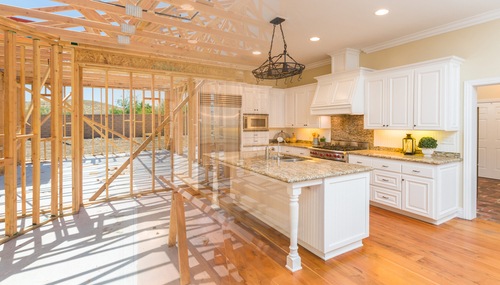
Punch List Completion: Builders typically need 2-4 weeks to complete punch list items depending on length and complexity. Some items might wait for weather (exterior paint touch-ups affected by humidity) or supplier delivery (replacement fixtures). Beachside projects sometimes face longer punch list periods if specialized coastal materials need reordering or if salt air has affected any finishes during construction.
Final Cleaning: Professional cleaning happens after all construction work completes. This deep cleaning removes construction dust and salt residue from coastal air, cleans windows inside and out, scrubs floors, and prepares the home for occupancy. Beachside homes often need extra attention to remove salt residue from windows and exterior surfaces.
Move-In and Warranty Period
Receiving your keys doesn't end your relationship with the builder - the warranty period protects you for years ahead, particularly important for coastal construction.
Certificate of Occupancy: The CO authorizes legal occupancy and confirms the home meets all building codes including coastal requirements and proper elevation. You need this for insurance coverage (required before occupancy), mortgage final disbursement (if financed), and legal occupancy. Moving in without a CO violates code and voids insurance - particularly risky for beachside properties where insurance is critical and expensive.
Beachside Insurance Requirements: Before closing, you'll need proof of adequate windstorm insurance and flood insurance (required for all properties in flood zones, covering virtually all beachside areas). Beachside properties typically need $7,000-$16,000 annually for adequate insurance. Near-ocean homes can exceed $20,000-$35,000 annually for comprehensive coverage. Factor these ongoing costs into your budget - they're not optional for beachside properties and represent significant long-term expenses.
Closing and Final Payment: Construction loans convert to permanent mortgages at closing. You'll sign final paperwork, pay any remaining balances, provide proof of insurance, and receive title to the completed home. This process mirrors traditional home purchases but includes construction documentation and coastal insurance verification.
Initial Warranty Period: Florida law requires one-year warranties on new construction. Many quality builders extend coverage on major systems (HVAC, plumbing, electrical) to 2-5 years and structural elements to 10 years. For beachside construction, pay particular attention to warranty coverage for hurricane protection systems, elevated foundations, salt-air-related issues, and specialized coastal materials. Read your warranty carefully - it specifies what's covered, what's excluded, and how to request service. Understand that normal settling differs from defects.
Coastal Settling Period: New beachside homes settle and adjust during their first year. Salt air exposure, humidity cycling, thermal expansion in Florida heat, and wind stress create unique settling patterns different from mainland construction. Small cracks in drywall, minor nail pops, or seasonal expansion/contraction are normal. Your warranty covers defects and failures but typically excludes normal coastal settling. Document everything photographically and submit warranty claims promptly for legitimate issues. Pay attention to any water intrusion, window or door seal failures, or unusual settling patterns that might indicate foundation issues.
Common Delays and How to Minimize Them
Understanding typical bottlenecks helps you plan realistically, particularly for beachside construction which faces unique challenges.
Weather Delays: Summer thunderstorms halt outdoor work almost daily in coastal areas. Hurricane season (June-November) can cause multi-week delays if storms threaten the area or even pass nearby. Beachside construction faces additional weather sensitivity - high winds prevent roofing work and exterior finishing, salt spray during windy conditions affects painting and stucco work, and extreme humidity extends drying times for numerous materials. Foundation pours, roofing, exterior finishing, and painting all depend heavily on weather. Add 5-8 weeks to your timeline if building beachside during summer months, more if hurricanes affect the schedule.
Coastal Permitting Delays: Environmental permits for waterfront properties can take 3-6 months to process through state agencies. Coastal construction permits face more detailed review than mainland permits. Community character reviews for prominent beachside locations may add time. Hurricane season sometimes pauses permitting and inspection processes when storms approach, potentially adding weeks if timing is unfortunate. Factor these coastal-specific delays into your timeline from the start.
Material Delays: While supply chain issues have improved since 2021-2023, specialty items still face delivery delays. Impact-rated windows and doors for coastal construction, specialized salt-resistant materials, coastal engineering components, or custom finishes might need 10-18 weeks. Beachside homes with high-end custom elements face the longest lead times. Order long-lead items early and have backup options identified. Hurricane season can also disrupt material deliveries if storms affect supply chains even temporarily.
Inspection Delays: City inspectors work on schedules that don't always align with construction needs. Beachside construction requires additional specialized inspections that may involve scheduling state inspectors beyond city staff. An inspector might be unavailable for 4-7 days, stopping work while you wait. Hurricane season creates inspection backlogs when storms approach as inspectors focus on emergency preparations. Builders with good relationships and scheduling practices minimize these delays, but they're impossible to eliminate entirely in coastal construction.
Subcontractor Scheduling: Skilled trades (plumbers, electricians, HVAC) juggle multiple projects. Specialized coastal trades (marine contractors, coastal engineers, specialized waterproofing) have even more limited availability, particularly during busy construction seasons. If they're behind on another job or dealing with storm repairs, your project waits. This is where builder management skills matter - good builders maintain relationships with reliable subcontractors and have backup options. However, even the best builders face scheduling challenges in New Smyrna Beach's small market.
Change Orders: Every change you request after construction starts adds time. Moving a wall takes 2-3 days. Changing finishes might add 1-2 weeks. Modifying anything affecting coastal engineering or elevation requires engineering review and potentially re-permitting, adding 4-10 weeks. Make all decisions before construction starts whenever possible - this cannot be overstated for beachside construction where changes have cascading effects.
Community Character Concerns: Occasionally, projects that push boundaries on size, height, or character face community pushback even after initial approvals. While rare, addressing community concerns can add time to projects. Building homes that respect New Smyrna Beach's character from the start avoids these issues entirely.
Red Flags During Construction
Most custom builds proceed smoothly, but watch for warning signs that indicate problems, particularly important for complex beachside construction.
Poor Communication: If your builder stops returning calls promptly or avoids answering questions directly about coastal-specific requirements or community character concerns, something's wrong. Communication often deteriorates before other problems become obvious. In New Smyrna Beach's small community, reputation matters - good builders maintain communication because word travels.
Skipped Inspections: Beachside construction requires numerous specialized inspections. Builders who pressure inspectors to skip steps, who fail inspections repeatedly, who can't provide documentation of passed inspections, or who avoid discussing inspection results aren't maintaining quality standards. Check with the city that all required inspections happened and passed, including all coastal construction certifications and elevation verifications.
Subcontractor Complaints: If plumbers, electricians, or specialized coastal trades complain about not getting paid, your builder has cash flow problems. This can lead to liens against your property even if you've paid the builder. In a small market like New Smyrna Beach, subcontractors talk - if your builder develops payment reputation problems, you'll likely hear about it.
Coastal Shortcuts: Using non-coastal-rated materials beachside, inadequate hurricane protection, improper elevation anywhere in the structure, cutting corners on salt-resistant materials, or skipping waterproofing steps indicate serious problems that will cause expensive failures and potentially void insurance. Beachside construction requires specialized materials and techniques - shortcuts here create long-term problems and violate building codes designed to protect your investment.
Constant Delays Without Explanation: Weather causes delays. Coastal permitting causes delays. Material shortages cause delays. But chronic delays without clear reasons might indicate poor project management, financial problems, or subcontractor issues. While some delay is normal for beachside construction, the delays should have logical explanations.
Quality Issues: Misaligned doors, uneven drywall, sloppy paint work, poor tile installation, or water intrusion during construction indicate rushed work or incompetent subcontractors. For beachside construction, pay particular attention to waterproofing details, proper sealing around all penetrations, correct installation of hurricane protection systems, proper drainage around elevated foundations, and salt-resistant material use throughout. Address quality issues immediately - they're exponentially harder to fix after the project completes.
Character Mismatches: If your home under construction looks dramatically out of scale or character with New Smyrna Beach's aesthetic, you may face problems at final inspection or community resistance. While subjective, homes that obviously conflict with community character can create approval challenges even late in construction.
Staying Involved Without Micromanaging
You should monitor progress without interfering with daily construction activities, particularly important for beachside projects with specialized requirements.
Scheduled Site Visits: Visit regularly but on schedule. Weekly walkthroughs with your builder keep you informed without disrupting work. Random daily visits frustrate workers and raise liability concerns if you're injured on site. For beachside construction, schedule visits during key phases like foundation elevation verification, hurricane tie installation, waterproofing application, and window installation so you can see critical work before it's covered.
Document Everything: Take photos at each stage, particularly of critical coastal elements before they're covered (hurricane ties, waterproofing, proper elevation, salt-resistant material installation). Document decisions, changes, and issues in writing (email creates timestamps and records). If disputes arise later, documentation proves what was agreed upon. For beachside construction, photograph elevation markers, foundation measurements, and any coastal-specific construction details.
Ask Questions Early: If something doesn't look right, ask immediately. Fixing problems during construction costs far less than fixing them after completion. Don't assume "they know what they're doing" if something concerns you, especially for coastal-specific elements where errors prove expensive and potentially dangerous. New Smyrna Beach's small community means asking other beachside homeowners about their experiences can provide valuable perspective.
Coastal-Specific Monitoring: Pay attention to proper elevation throughout construction (verify with survey if needed), hurricane protection installation quality, salt-resistant material use, waterproofing thoroughness, and proper drainage around elevated foundations. These coastal elements are critical for long-term performance, insurance compliance, and your home's ability to withstand storms. Don't hesitate to ask for documentation proving elevation requirements are met - this affects your flood insurance rates and coverage.
Respect Boundaries: Don't instruct subcontractors directly - all communication should flow through your builder. Directing workers yourself creates confusion about who's in charge and potentially conflicts with your contract. However, this doesn't mean you can't ask workers questions about what they're doing or why - just don't give them instructions that might conflict with your builder's direction.
Stay Decisive: Builders need timely decisions to maintain schedules. Delaying selections because you can't decide between two tile colors or paint shades stalls progress. For beachside construction, delays have cascading effects due to weather sensitivity and limited work windows. Set decision deadlines for yourself and stick to them. Remember that changing decisions costs significantly more after work begins.
Weather Patience: Beachside construction involves weather delays you cannot control. Accept that your timeline will include weather delays - fighting this reality only creates frustration. Good builders build weather contingencies into schedules, but even the best estimates can't predict weather perfectly. Patience with weather-related delays pays off in better quality work done in proper conditions.
Making Your Custom Home Dream Reality in New Smyrna Beach
Building a custom home in New Smyrna Beach offers creative freedom impossible with production homes, but requires realistic expectations about timelines, costs, and involvement - particularly for beachside construction where specialized requirements, community character preservation, and coastal exposure add complexity beyond typical construction. The process takes longer than most people anticipate and presents more decisions than you expect. Understanding each phase helps you prepare mentally, financially, and logistically for the journey ahead.
The best custom home experiences in New Smyrna Beach happen when buyers find builders they trust with relevant coastal experience (for beachside projects) and community sensitivity, make design decisions that respect beach town character, and maintain realistic timelines accounting for weather and coastal permitting. The worst experiences involve rushed decisions, designs that ignore community character, poor communication about coastal requirements, and unrealistic expectations about what's possible within budget and time constraints.
New Smyrna Beach's careful growth management, community character preservation, and coastal construction oversight create a regulatory environment that protects your investment and the community's special character while allowing creative, quality design. Your job is selecting the right builder with appropriate coastal experience, making informed decisions about location and construction requirements, respecting the community's values and character, and maintaining perspective when inevitable delays occur - particularly weather and permitting delays inherent to beachside construction.
The reward for navigating this process successfully is a custom home in one of Florida's most authentic and carefully preserved beach communities - a place where character matters more than development density, where beaches remain accessible and beautiful, and where community values create lasting quality of life. Whether you build mainland for affordability and convenience or beachside for ultimate coastal lifestyle, New Smyrna Beach offers something increasingly rare in Florida - genuine beach town character worth protecting and worth the extra effort required to build here properly.
Find experienced home builders in New Smyrna Beach who specialize in custom homes built from the ground up and new construction projects. Ready to start comparing New Smyrna Beach home builders? Browse our directory of local builders, read reviews from real clients, and connect with builders who match your project needs.